
Dallas has experienced rapid urban development, rising temperatures, and periods of compromised air quality over the past decade—factors that increasingly influence public health behavior. As conversations around preventive healthcare expand, many residents are becoming more aware of how environmental conditions can affect long-term well-being. This awareness has also contributed to a broader interest in comprehensive health monitoring tools, including whole body MRI screening, often incorporated into wellness discussions by organizations such as Papillion Longevity & Wellness.
Rising Temperatures And Their Impact On Health
Dallas is famous for its very hot weather, with summers often exceeding 100°F. While heatwaves aren’t a new thing in Texas, their number and length have been going up steadily. Keeping extremely hot temperatures for a long time can lead to cardiovascular strain, dehydration, kidney stress, and general metabolic instability.
Even people who live quite healthy lives may experience small, gradual effects of chronic heat exposure. Medical researchers point out that extreme temperatures can cause inflammation to escalate, increased heart rate over long periods, and a higher possibility of heat-related issues in older adults and people with already existing conditions.
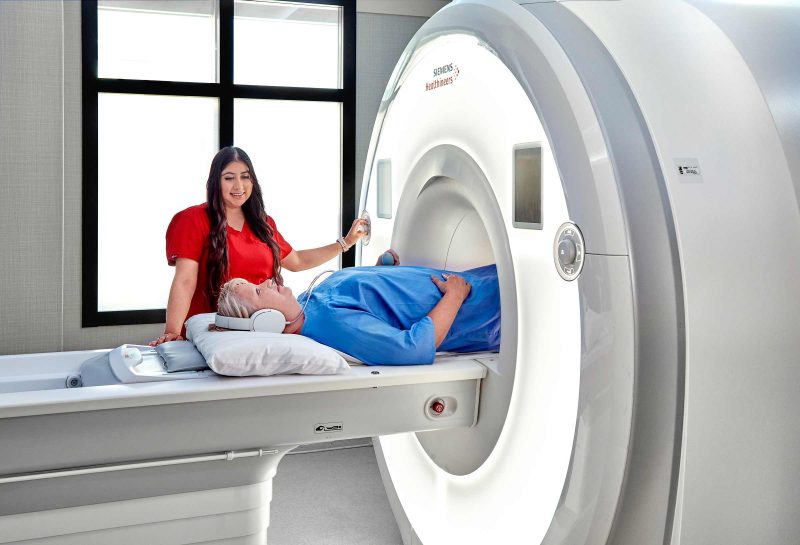
Consequently, continuous health tracking is becoming a less general idea for the majority of people, those with medical risks aside. Since whole-body MRI scans do not involve radiation and can detect structural changes at an early stage, they are often brought up in conversations about preventive health when people want to know more about how their bodies cope with environmental stressors.
Air Quality Concerns In A Growing City
What is really concerning about the air in Dallas is that it is pretty much the main culprit of other health problems in the city. Dallas does not always have the same air pollutant levels. In fact, they vary quite a lot. Pollutants include ground-level ozone, particulate matter, and allergens. All these changes are a consequence of rapid urbanization, vehicle density, and changing regional weather patterns.
It is worth mentioning that respiratory irritation, decreased lung function, chronic inflammation, and even higher risks of cardiovascular issues over a long period have been some of the consequences of poor air quality. For people living close to highways, industrial zones, or construction-heavy neighborhoods, the exposure may be the longest and most continuous one.
Respiratory symptoms, which most of the time develop gradually, and, implicitly, may remain unnoticed until they become more severe. This is where long-term healthy tracking shows its worth. Even though a whole-body MRI is not a tool for diagnosing respiratory diseases, it may, however, assist in the identification of the corresponding structural problems, inflammation, and other internal markers that might be in line with environmental exposure over time.
Urban Lifestyle And Environmental Stress
The Dallas metroplex area is where you will find fast-paced lifestyles, stressful work environments, and rising stress levels—these are the factors that can be combined with the climate and air quality issues to affect people’s general health. Overly stressed people, those who do not get enough exercise, and those who are exposed to indoor pollutants can, in fact, intensify the consequences of environmental factors.
For a great number of locals, taking health-promoting measures is turning into an essential element of their equilibrium. Among these are regular medical check-ups, improved understanding of the environmental factors, and taking preventive health screenings.
Why Long-Term Monitoring Matters?
Long-term monitoring is not about diagnosing diseases prematurely but about building a clearer understanding of one’s overall health trajectory. As environmental changes become more evident, individuals and families are placing greater emphasis on establishing a baseline of personal health data.
Whole body MRI scanning enters this space as a tool that offers a comprehensive, non-invasive, and radiation-free overview of internal structures. For people living in climates with high heat exposure and fluctuating air quality, such assessments can help monitor subtle shifts that accumulate over many years.
Environmental Awareness And Preventive Wellness In Dallas
Dallas residents are increasingly acknowledging the connection between environmental factors and long-term health. With hotter summers, inconsistent air quality, and evolving urban conditions, proactive wellness habits are gaining importance.
Preventive health strategies—from routine check-ups to advanced imaging—allow individuals to stay informed about their well-being as environmental pressures evolve. So make sure to pick a reliable wellness center to get all your check-ups and lead a healthy life.